Table of contents
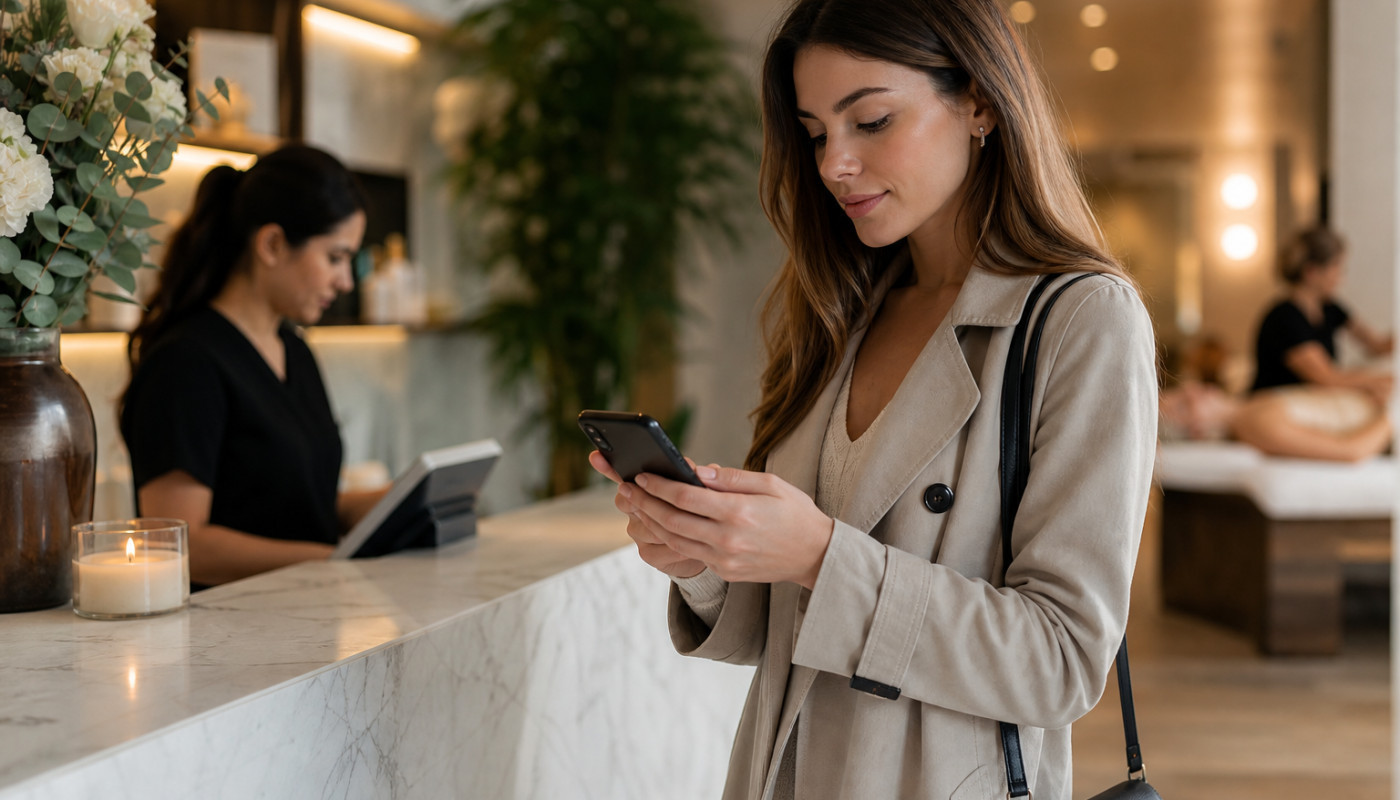
Spontaneous plans used to mean compromises, and for many consumers, beauty appointments were the first thing to go. Now, last-minute booking is reshaping how people manage haircuts, facials, and massages, powered by mobile-first scheduling, real-time availability, and a post-pandemic appetite for flexibility. The shift is measurable: online booking has grown across salons and spas, cancellation windows have tightened, and marketplaces and in-house systems are racing to fill empty slots. For clients, it is convenience; for businesses, it is revenue protection in an industry where no-shows and late cancellations can erase margins in a single afternoon.
Beauty’s new reflex: book, don’t plan
Who decided self-care had to be scheduled weeks ahead? For a growing slice of customers, the beauty calendar is becoming more like food delivery, opened when the need arises and closed the moment a slot appears, and the underlying behavior is not anecdotal. In the United States, 42% of salon and spa appointments are now booked online, according to Square’s 2024 Future of Commerce report, a figure that has climbed steadily as consumers shift routine errands onto their phones. In the UK, Statista estimates the online beauty and personal care market will keep expanding through the decade, and while e-commerce is not the same as services, the demand pattern is similar: immediate decisions, transparent pricing, and frictionless checkout.
The logic is straightforward, and it is also cultural. Hybrid work has fractured the “Saturday morning haircut” routine, and with more people moving meetings, commuting less, and taking daytime breaks, the available window for an appointment opens unpredictably. Salons are responding by publishing live availability, shortening the distance between browsing and booking, and nudging customers to commit with deposits or card-on-file requirements. It is also a platform story: tools that once belonged to enterprise chains are now affordable for independents, and that lowers the barrier to offering an “open app, pick a time, confirm” experience that matches what customers expect elsewhere.
For businesses, last-minute booking is not only about convenience, it is a defense against a structural problem: unused capacity. A missed hour for a senior stylist, or an empty room for a facial, cannot be stored and sold tomorrow, and industry groups have long flagged no-shows as a persistent drag on revenue. While comprehensive global data is patchy, operators increasingly report that stricter cancellation policies and automated reminders are no longer optional. The customers who book late often accept those rules because they are trading flexibility for speed, and that exchange is what keeps the model viable.
No-shows, margins, and the race to fill chairs
An empty chair is not a neutral event; it is lost turnover, paid wages, and wasted inventory. The personal care services economy runs on thin buffers, with rent, energy bills, and staffing costs rising, and the margin pressure has been visible in official inflation data. In the US, the Bureau of Labor Statistics has repeatedly recorded elevated inflation in personal care services since 2021, reflecting higher labor and operating costs that salons cannot fully absorb. That macro backdrop explains why the industry is aggressively engineering ways to keep schedules full, and why last-minute booking is more than a consumer trend, it is a revenue strategy.
Technology has made the pursuit practical. Automated waitlists ping clients when a slot opens, and “fill-in” offers can be sent to customers who live nearby or have booked similar treatments before. Payment rails help too: prepayments and deposits reduce the incentive to cancel casually, and they protect cashflow when demand is uneven. Even without dramatic discounts, just making availability visible is powerful, because many customers are willing to take whatever time is offered if it fits their day, especially for routine services such as blow-dries, nail treatments, brow shaping, and express massages.
The competitive effect is already here. When a customer can compare times across multiple providers in seconds, the winners are the businesses that reduce friction, respond quickly, and communicate clearly. That is not always the cheapest option; it is often the one that confirms instantly, explains policies upfront, and makes rescheduling painless. For premium operators, last-minute booking can even become a brand asset, because it signals confidence in operations and staff coverage, and it attracts clients who are willing to pay for immediacy rather than hunt for bargains.
Discounts are fading, flexibility is taking over
Last-minute booking once sounded like code for last-minute discounts, and in some corners of the market that is still true. But the more durable shift is away from heavy price cuts and toward operational flexibility, because discounting trains customers to wait, and it can cheapen services that depend on expertise and trust. Many salons and spas now use targeted offers sparingly, preferring to fill gaps with waitlists, bundles, and smarter scheduling, and the aim is to protect average ticket size while reducing dead time.
The customer experience is changing accordingly. Instead of chasing a deal, clients are chasing control: the ability to book quickly, read reviews, see service durations, and understand exactly what is included. That includes policies, and the fine print matters more when decisions are made in minutes. Cancellation fees, deposit thresholds, and rebooking windows are becoming standard, and the most successful businesses present them plainly rather than hide them. Customers do not love restrictions, but many accept them when the trade is immediate access, and that is why clear communication has become part of the product.
There is also a subtle shift in how “premium” is defined. Luxury used to mean planning: a reservation secured far in advance, a long consultation, a predictable routine. Increasingly, luxury can mean responsiveness, a team that can accommodate a client today, and a space that feels consistent even when booked at short notice. That requires staffing depth, reliable processes, and often a stronger digital front door. For readers trying to understand what the modern beauty customer values, his response captures the broader direction of travel: speed and trust, paired with an experience that does not feel rushed.
What this means for salons and clients
Here is the uncomfortable truth: last-minute booking rewards the organised, and it punishes the vague. For salons and spas, that means tighter inventory management, clearer service menus, and realistic timing, because a five-minute overrun multiplied across a day destroys the very flexibility clients are seeking. It also means thinking differently about staffing, with more emphasis on cross-trained teams who can switch between services, and on coverage that matches demand spikes, which are increasingly driven by weather, social events, and even viral beauty trends.
For clients, the upside is obvious, but the new etiquette is worth spelling out. Booking at the last minute is not a licence to treat appointments casually; it is a commitment that helps the business keep its day stable. When a salon requires a deposit, it is often responding to hard-earned experience rather than trying to be difficult, and when a cancellation window is firm, it is usually because the slot cannot be resold in time. Consumers who want the freedom of spontaneous self-care will get the best experience when they respect those rules, arrive on time, and communicate early if plans change.
The market is likely to keep moving in this direction. Digital scheduling, automated messaging, and integrated payments are spreading fast, and once customers get used to instantaneous confirmation, they rarely want to go back. The winners, on both sides, will be the ones who treat last-minute booking as a disciplined system rather than a chaotic scramble, and who understand that flexibility depends on reliability.
Practical points before you book
To reserve last-minute, check live availability, confirm the service duration, and read the cancellation policy before paying. Budget for add-ons and gratuity, and expect deposits to be common, especially for longer treatments. If you are eligible for employer wellness perks or local schemes, ask whether they apply, and book off-peak for the widest choice of times.
Similar articles
How Elevator Shoes Can Effortlessly Increase Your Height By 10 Cm

Implementing Mindfulness: How Employers Can Promote Stress Management in the Workplace

Guinea starts Ebola vaccination across Southern region

Exploring The Benefits Of A Crewed Yacht Charter For Stress-free Vacations